
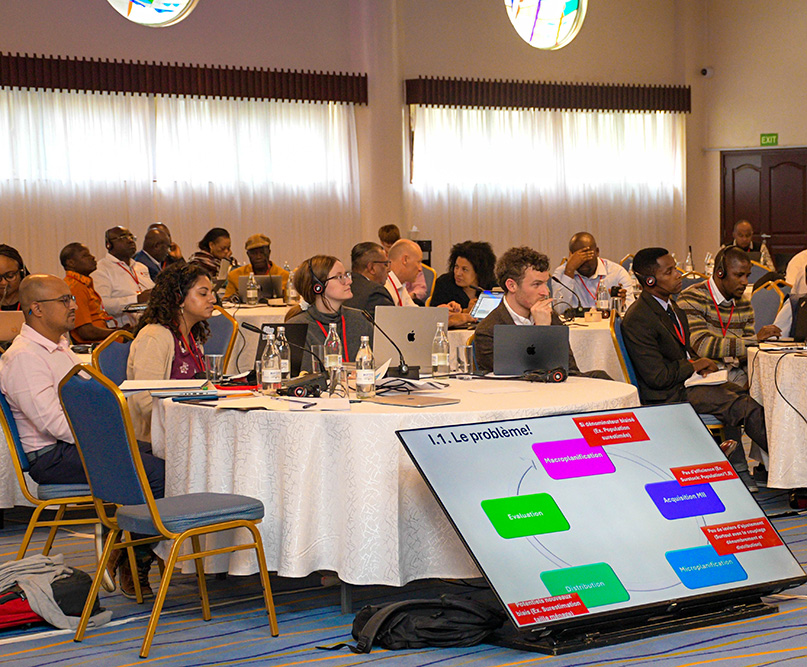
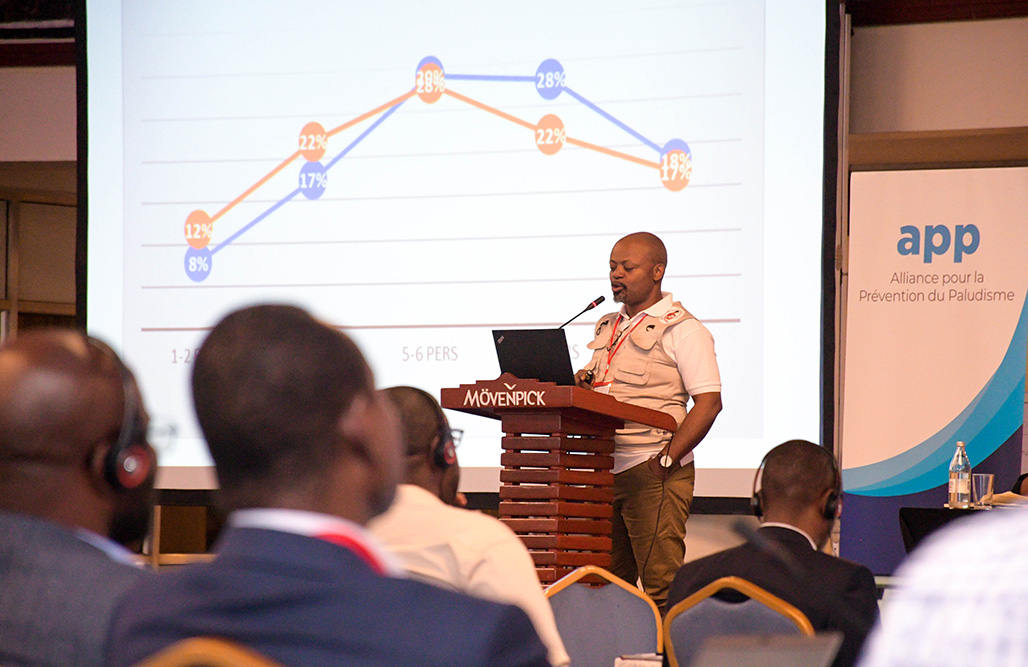
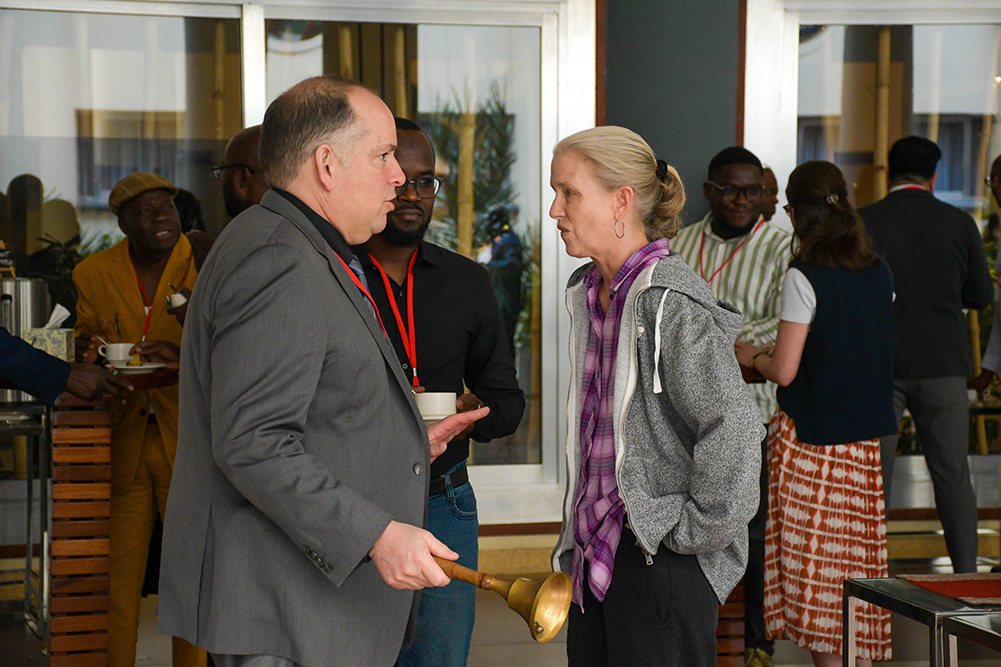
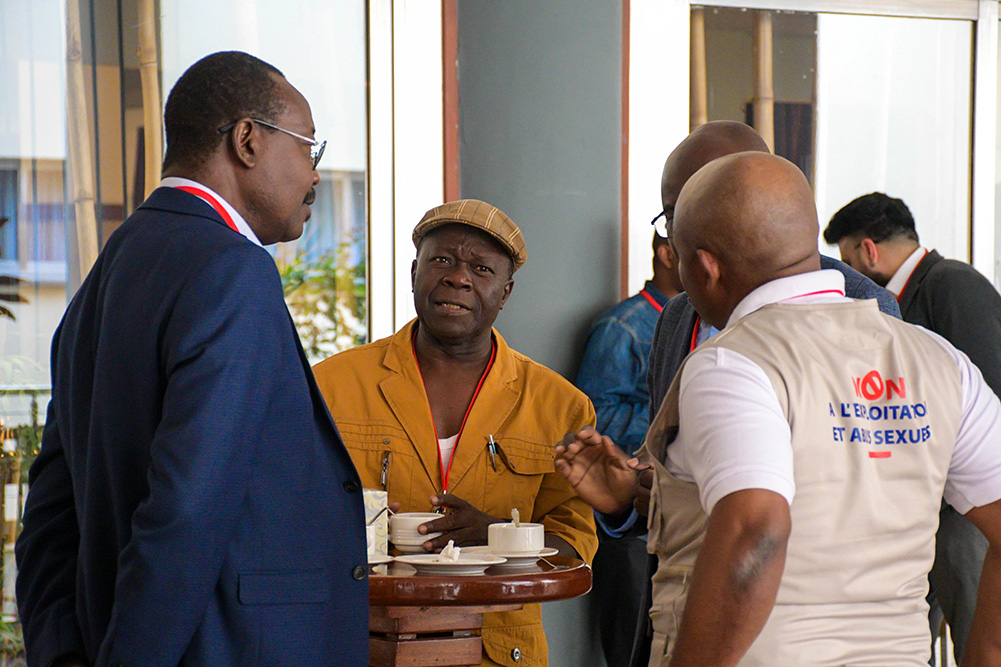
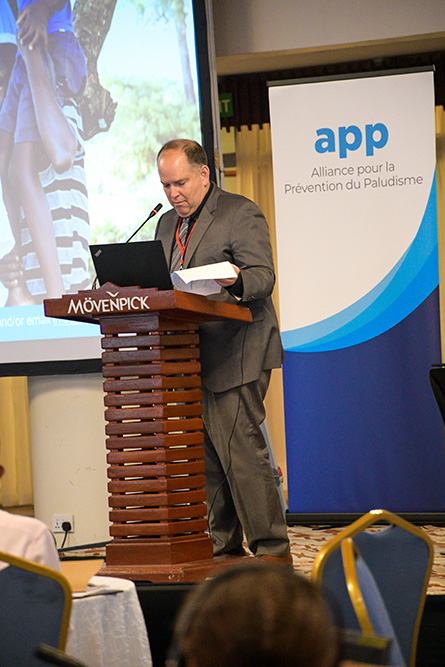
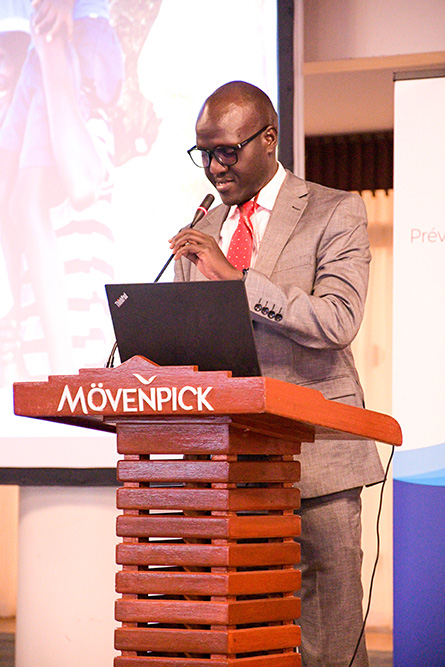
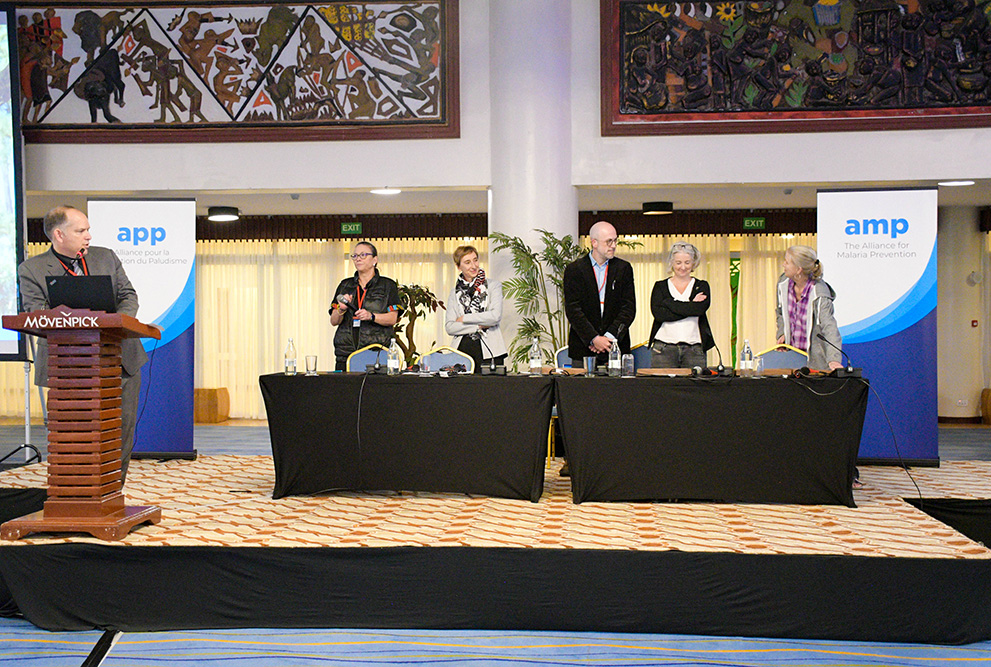
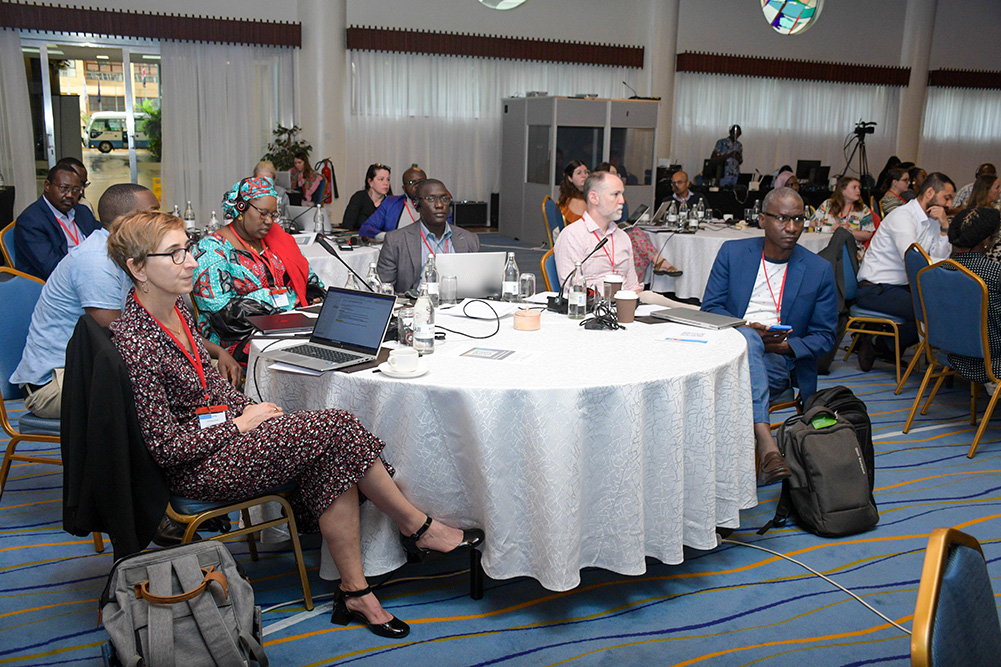
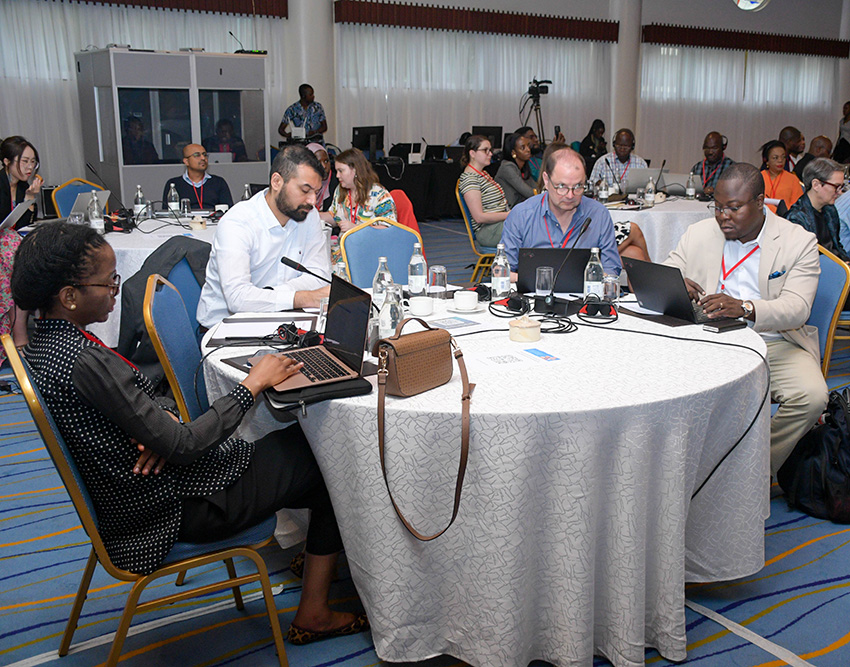
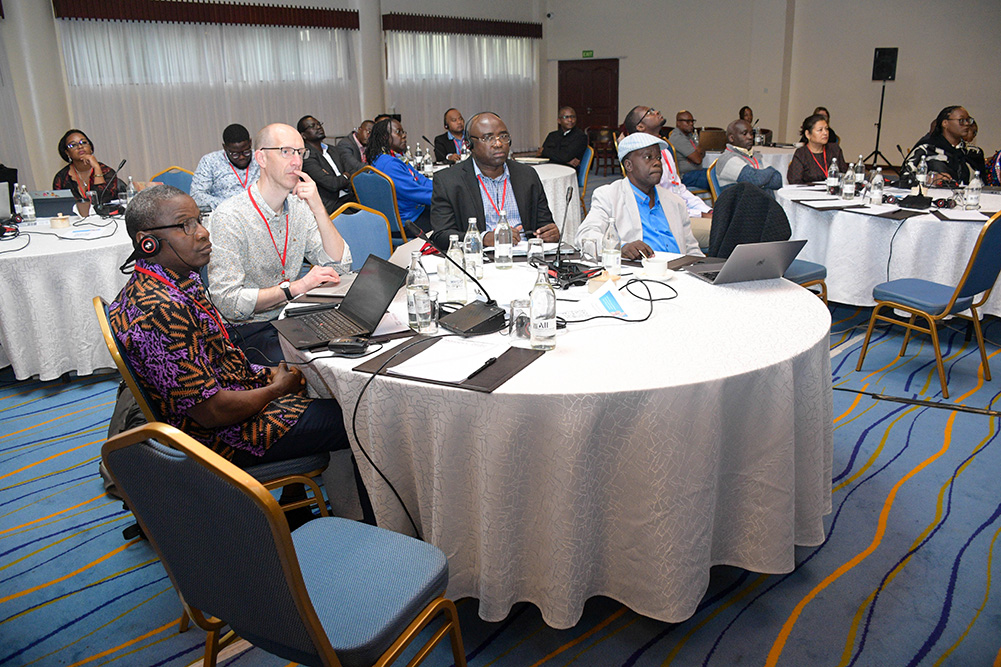
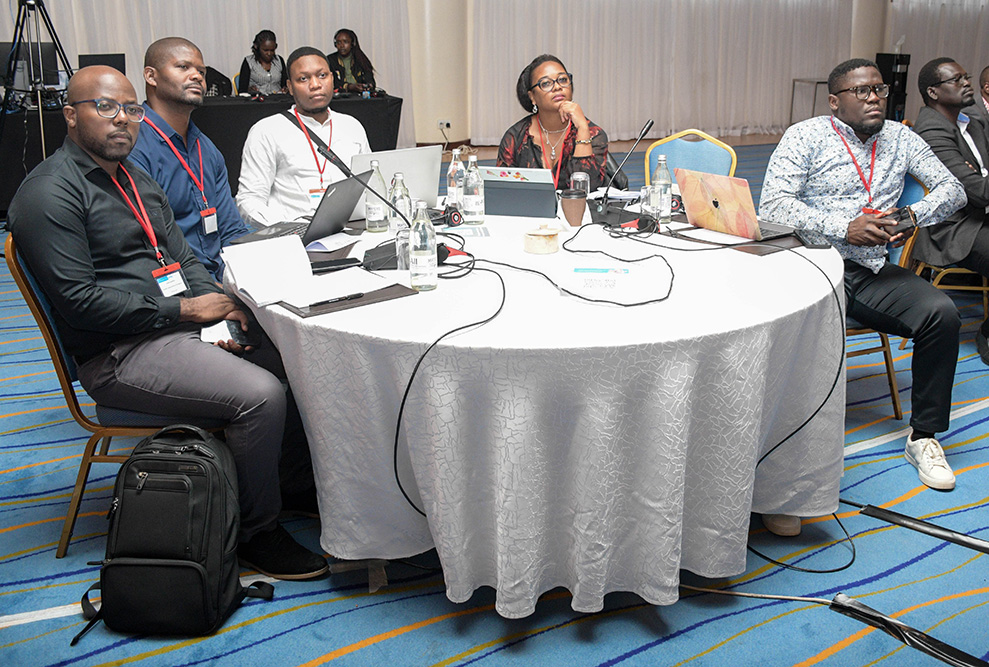
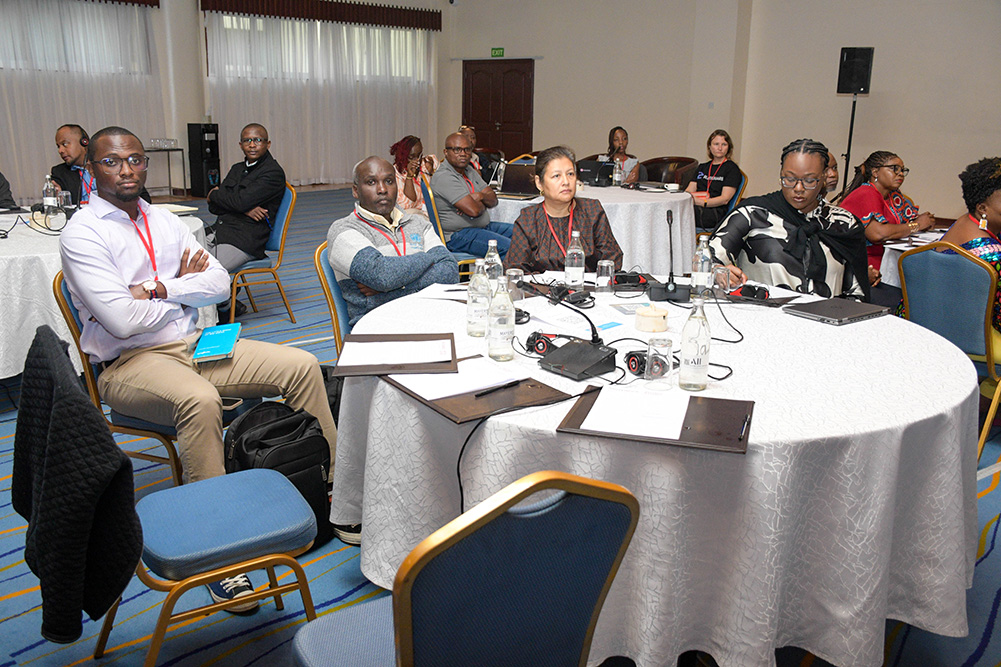
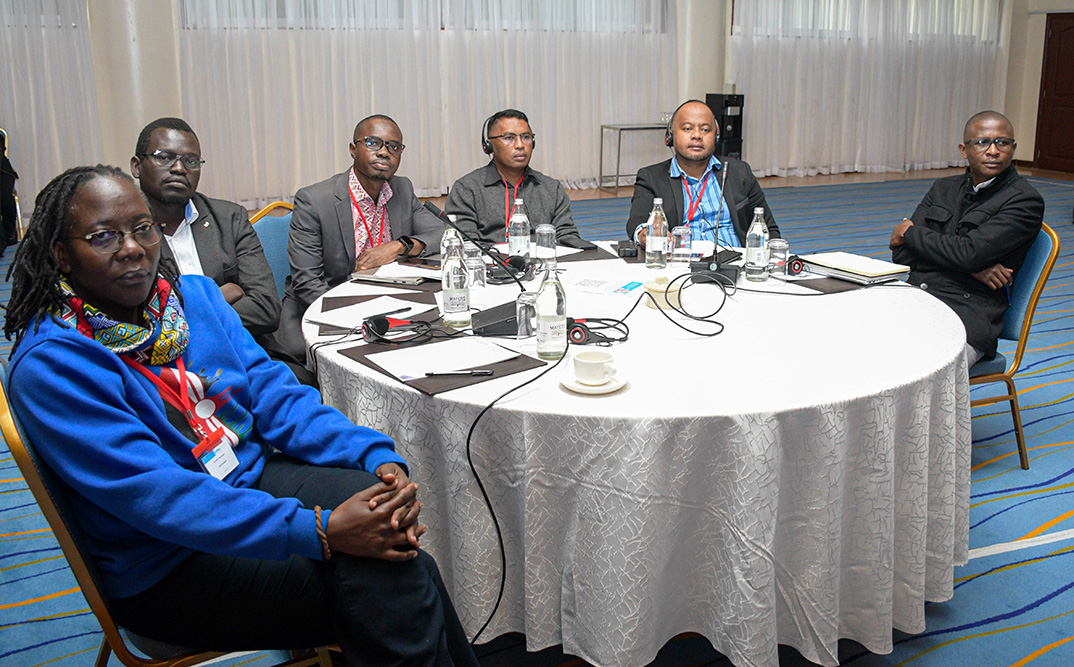
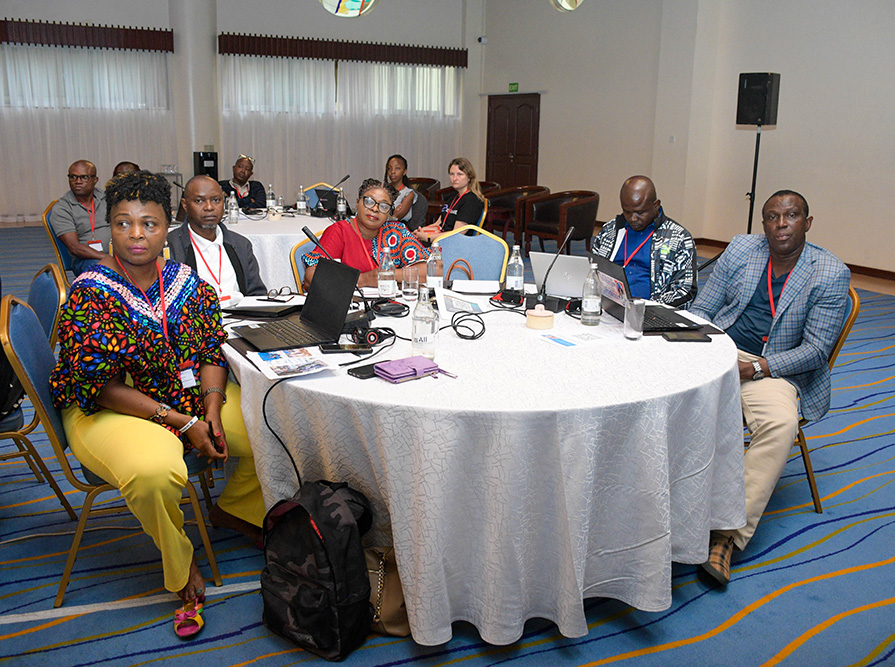
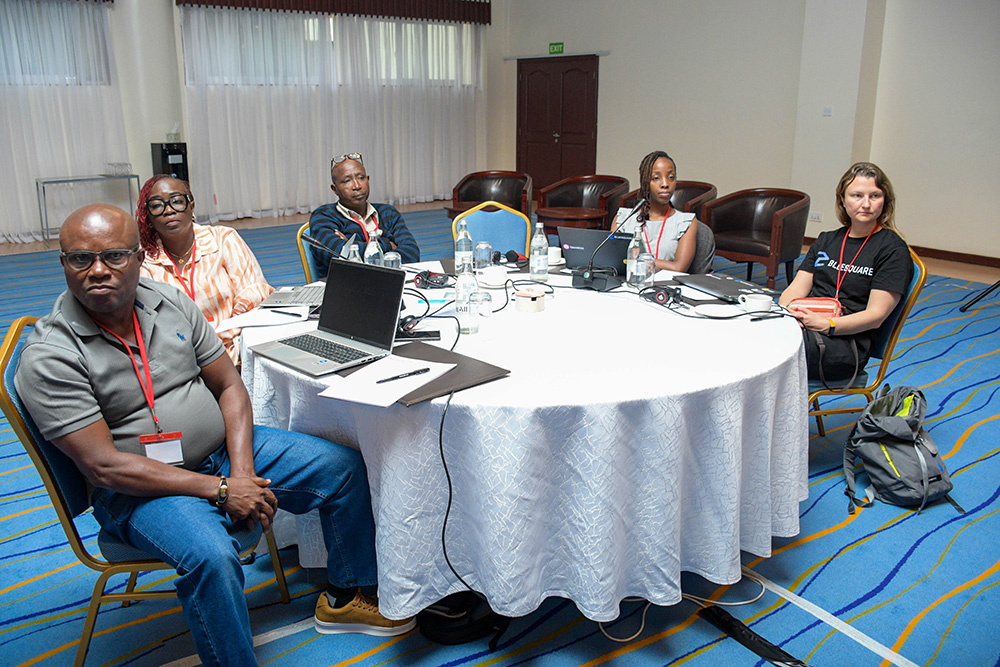
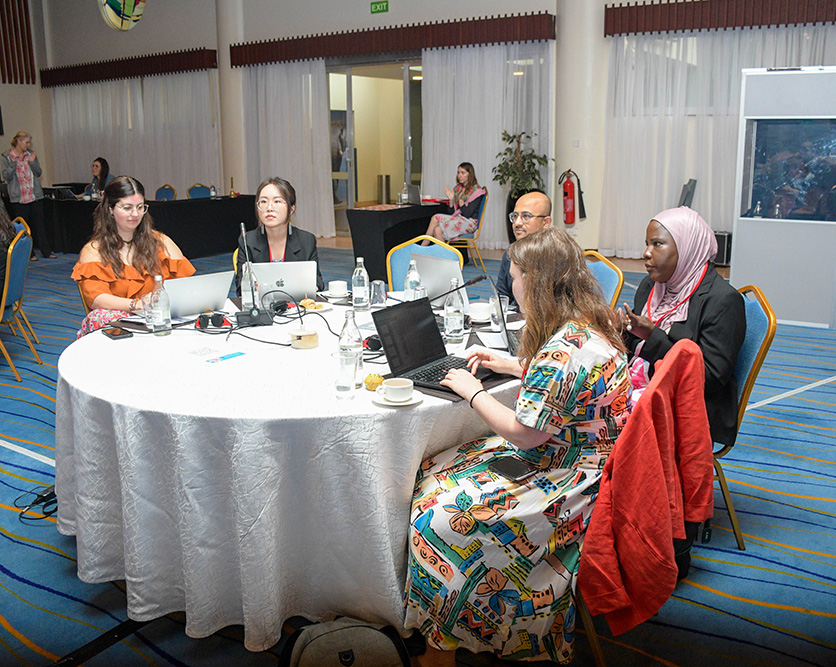
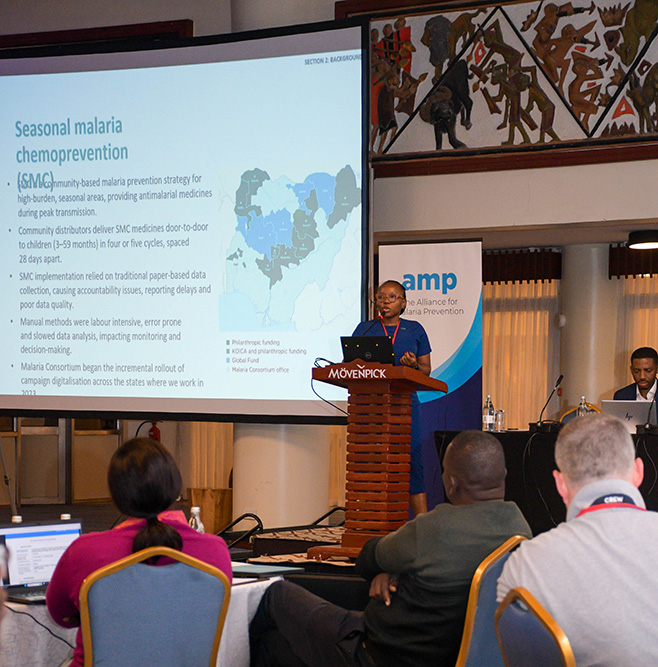
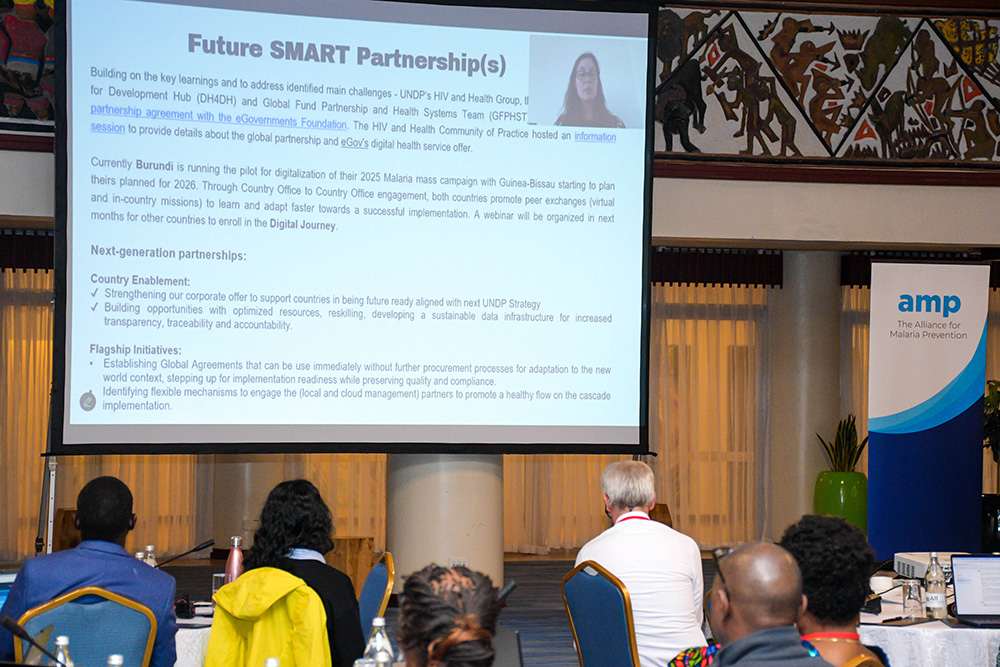
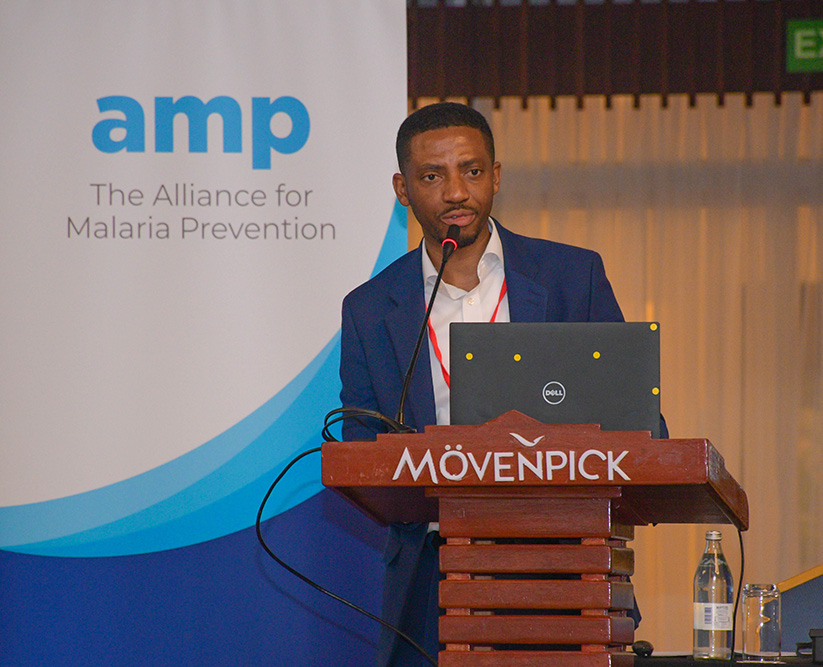
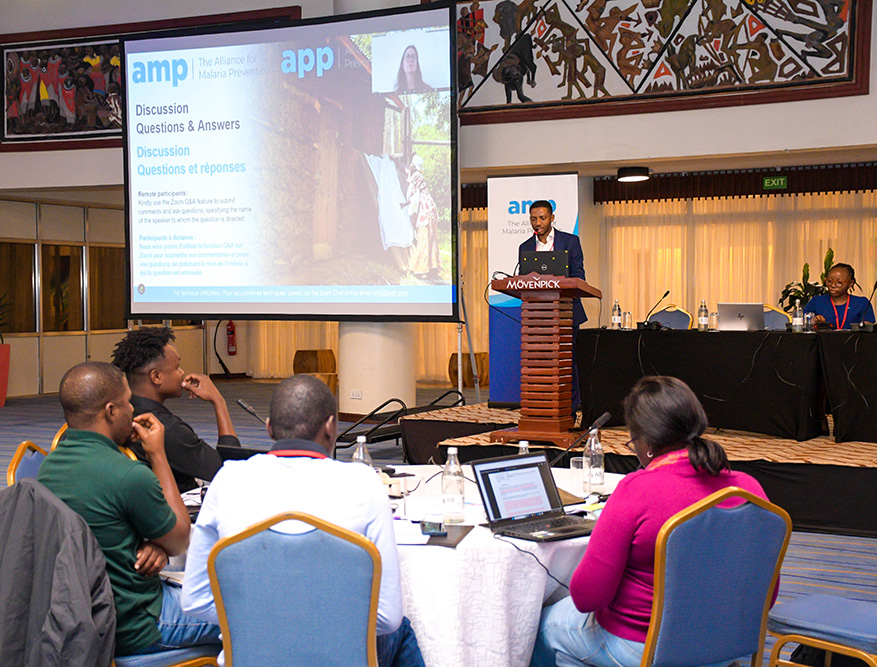
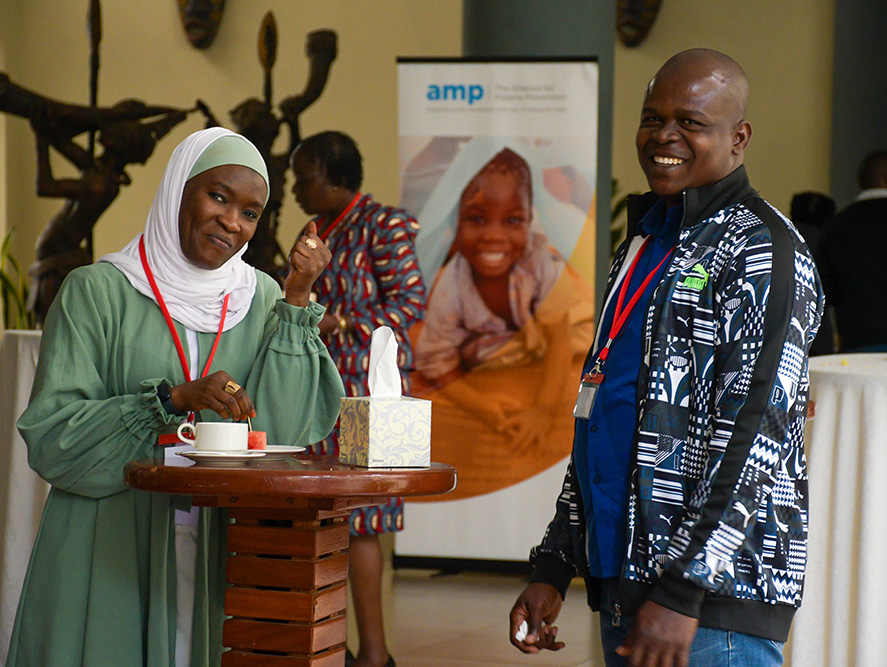
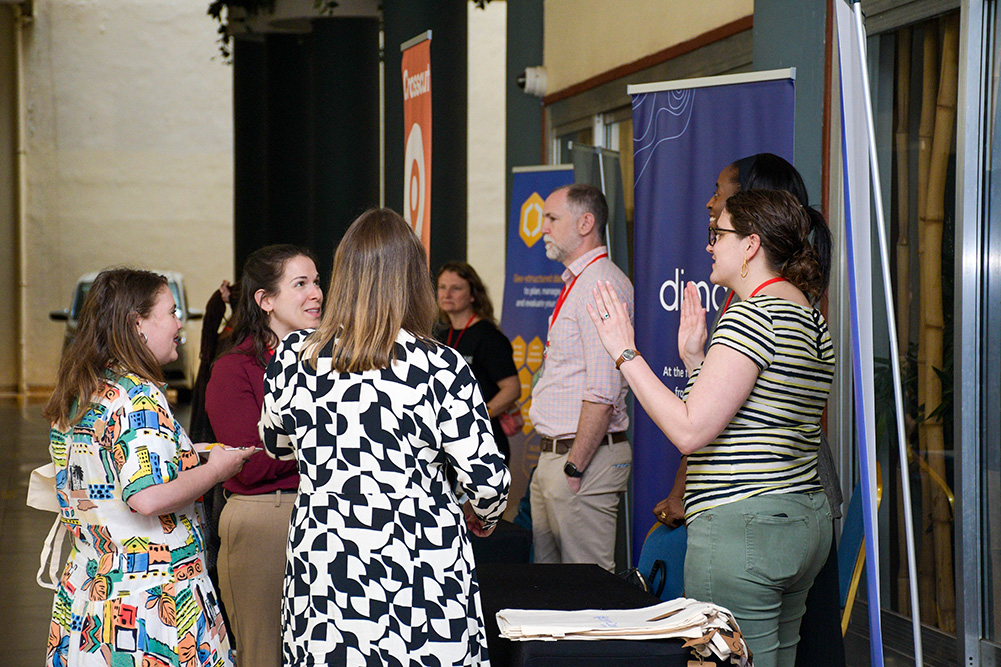
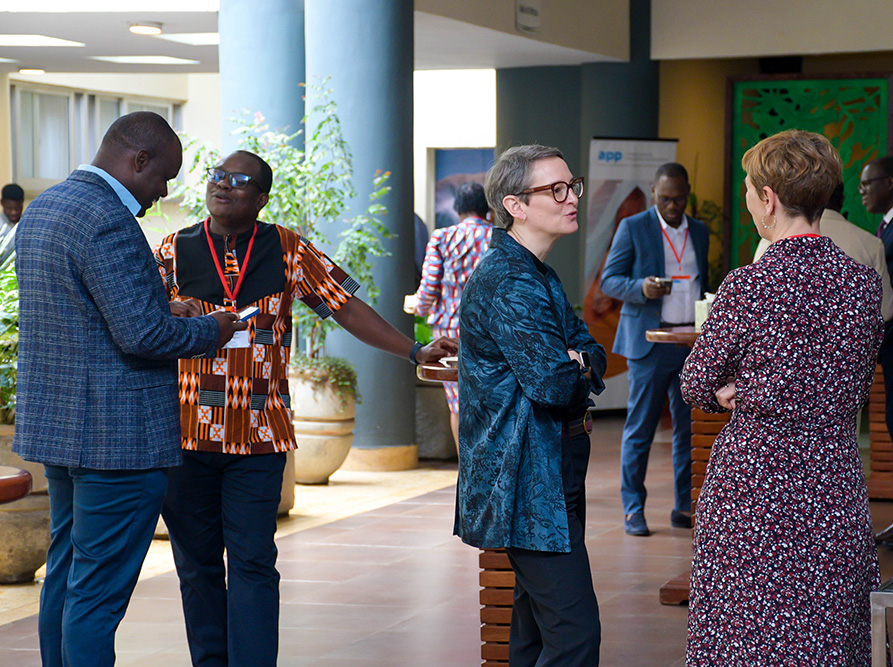
AMP holds a Partners’ Meeting every year, gathering more than 200 participants. The meeting provides a forum of globally-recognized importance devoted to ITN programme implementation, covering technical updates, challenges and lessons learned, ITN campaign and continuous distribution progress, post-ITN distribution issues and opportunities, and other key related topics.
Staff from the national malaria programmes of selected countries and their implementing partners, as well as representatives of global financial and technical organizations, attend and present their strategies and lessons learned from ITN distribution activities. The meeting provides a vital opportunity for sharing experiences and research results, as well as mobilizing partnerships around identified gaps for achieving and sustaining ITN universal coverage objectives.
Recaps from AMP Annual Partners Meetings
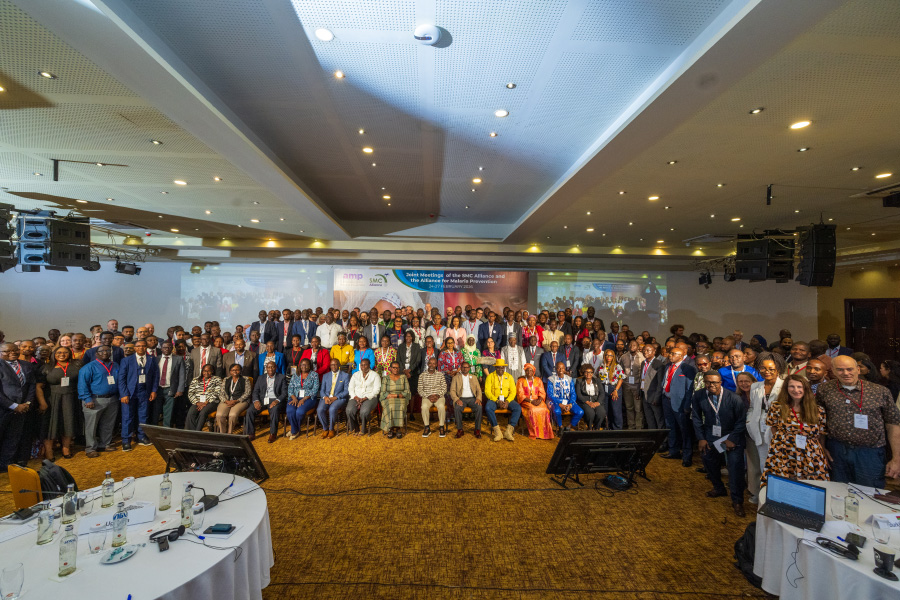
The Seasonal Malaria Chemoprevention (SMC) Alliance and the Alliance for Malaria Prevention (AMP) Partnership will convene their first joint annual meetings from 24–27 February 2026 with both in-person and virtual participation.
Throughout Days 1 and 2 (February 24-25), all participants will come together in fully integrated plenary sessions combining SMC and AMP. On Days 3 and 4 (February 26-27), the programme will transition to parallel standalone sessions for SMC and ITNs in different rooms.
Presentations and recordings will be uploaded accordingly. More information on the SMC alliance sessions can be found on their website or on the meeting’s website.
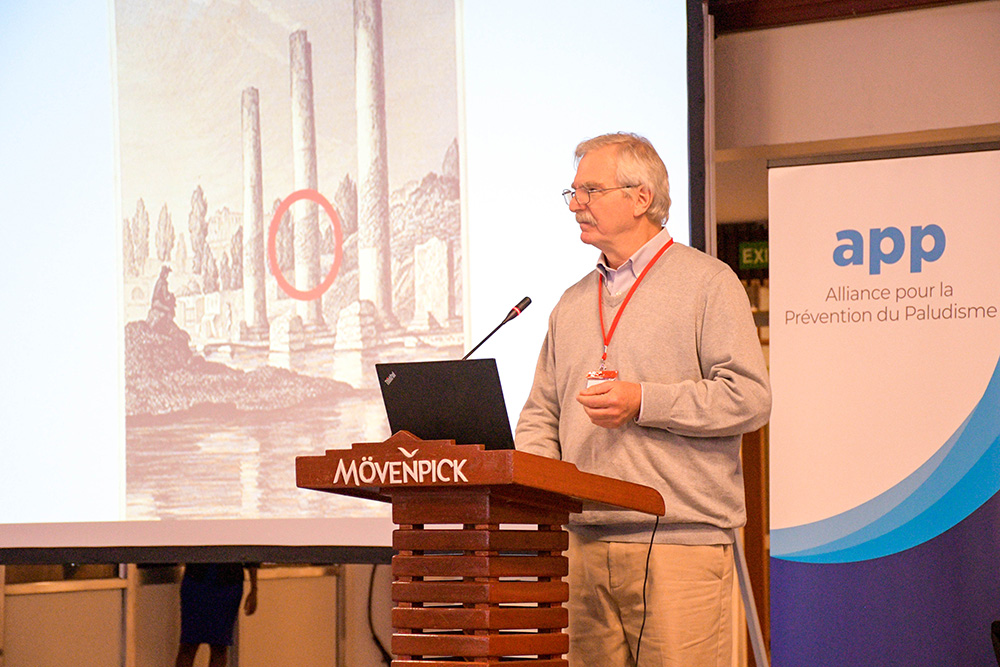
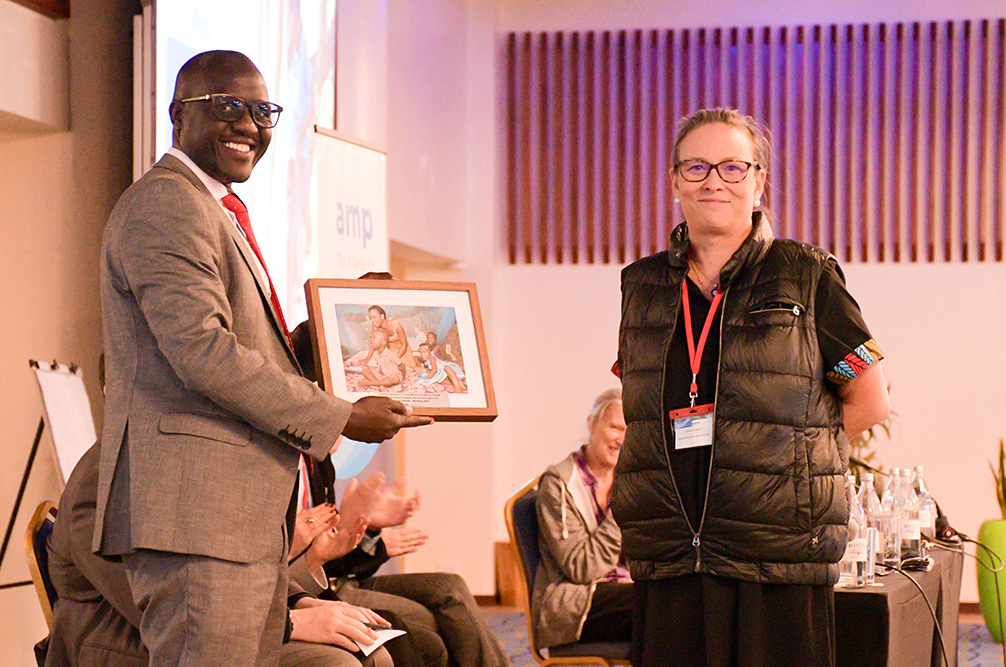
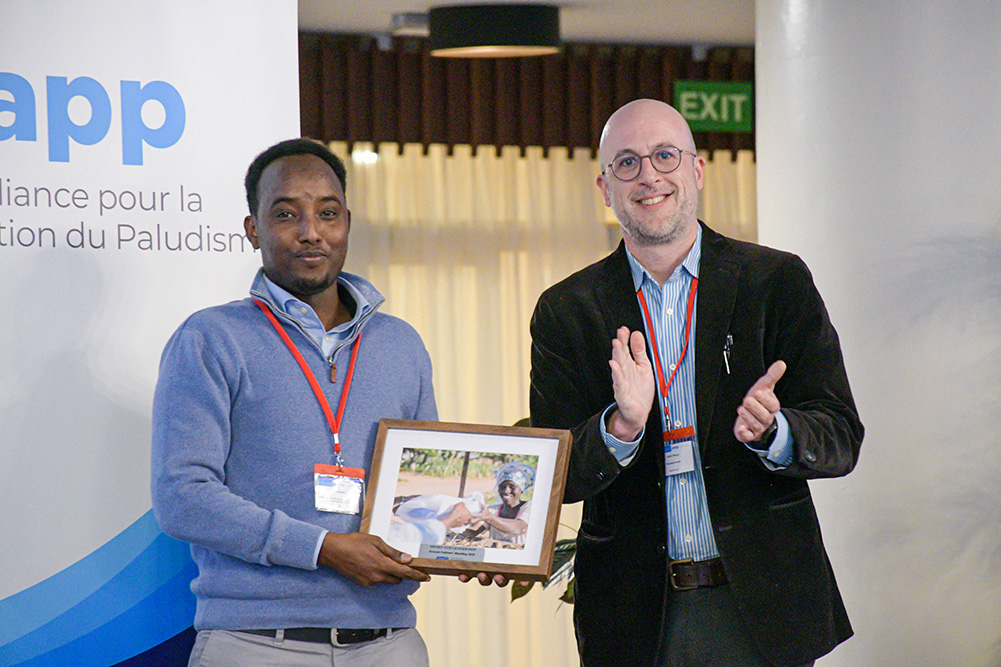
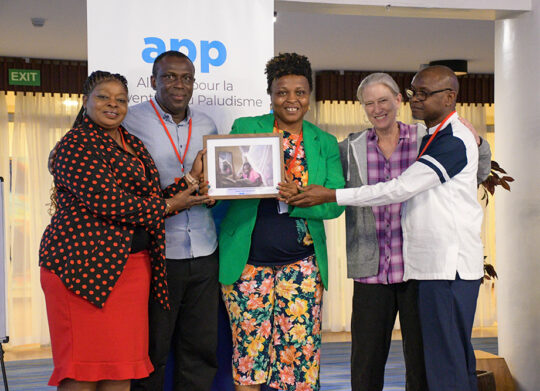
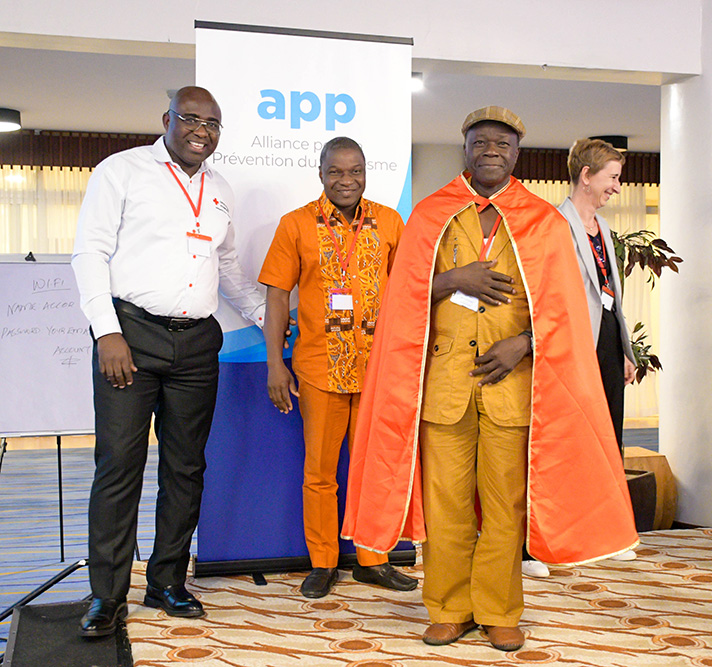
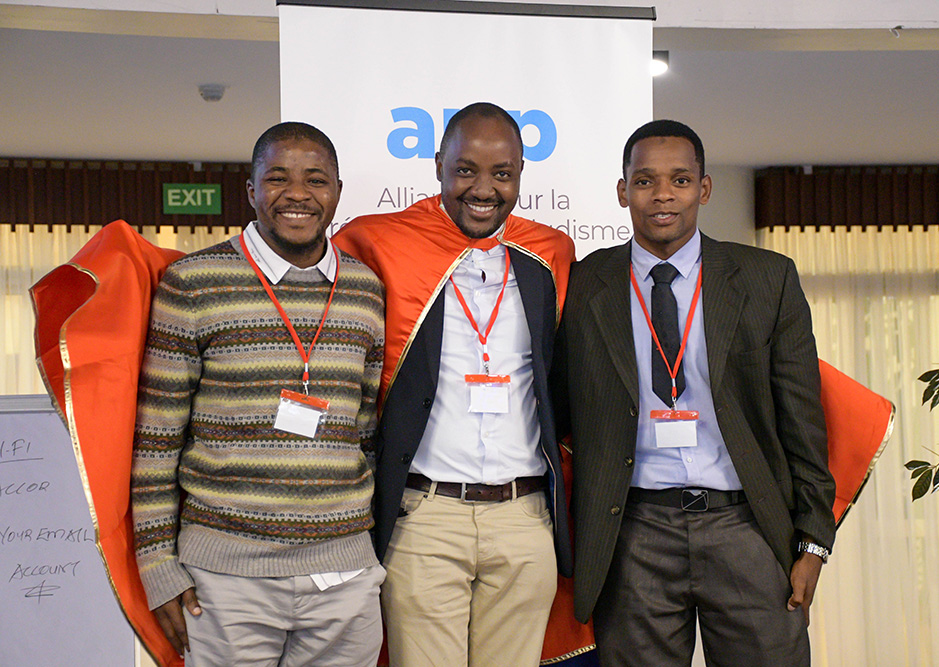
Each year at its annual partners’ meeting, the Alliance for Malaria Prevention’s (AMP) Core Group selects countries or individuals to receive awards for exceptional performance in the fight against malaria, specifically vector control with insecticide treated nets (ITNs).
Uganda experience: Digitized tools and integration for improved efficiencies and outcomes of malaria prevention services in a changing environment – EN
Jane Irene Nabakooza, NMED
WHO general technical updates (chemoprevention, vector control) – EN
Dr Peter Olumese, WHO
Panel discussion on the current funding landscape
Dr. Foluke Olusegun, ALMA (moderator) – EN
Kate Kolaczinski, The Global Fund
Julian Austin, Against Malaria Foundation – EN
Marinella Capriati, Givewell –EN
Seynude Jean-Fortune Dagnon, The Gates Foundation – EN
Hana Bilak, RBM CRSPC – EN
Maximizing impact with scarce resources: Planning difficult choices
Introduction to the economics of malaria interventions – EN
Dr Catherine Pitt, London School of Hygiene & Tropical Medicine
ITN prioritization and case management trade-offs: A decision-support tool – EN
Tasmin Symons, MAP
Chemoprevention adaptations to work within a reduced funding environment
Adapting to work in an environment with limited funds – Guinea Bissau – PT
Mouhammed Ould Hamed, NMCP
Mitigation plan to overcome the stop work order of PMI/USAID – Cameroon SMC – FR
Albert Zeh Meka, NMCP
Adapting the 2025 SMC campaign in Niger in the face of budgetary constraints:
Guidelines for rationalising costs and strengthening results – FR
Ibrahima Oubandawaki, NMCP
ITN campaign adaptations to work within a reduced funding environment
Maximizing impact, minimizing cost: Lessons from an optimized ITN mass
campaign pilot in Morogoro, Tanzania – EN
Peter Gitanya, NMCP
Lessons learned from applying cost optimization measures – what worked
and what didn’t – Nigeria – EN
Fatima Bukar Ali, NMEP
Optimization of operational costs for the ITN mass campaign, lessons
learned and recommendations for the future – Burkina Faso – FR
Aminahire Thierry Ada, NMCP
Combined Slide Deck (AM Sessions) – EN
Combined Slide Deck (PM Sessions) – EN
Measurement in the context of reduced funding:
A framework for prioritizing surveillance to match available resources – EN
Jui Shah, SME Working Group
Measurement in the context of reduced funding: Experience from Ghana – EN
Wahjib Mohammed, NMEP
The Gambia: Improving data quality and use through streamlining and sharing (SMC & ITN campaigns) – The Gambia – EN
Olimatou Colley, NMCP
Using digitalization to achieve efficiencies in health campaign operations
Digitalization and its importance in a resource-constrained environment: Maximizing the potential – EN
Victor Alegana, WHO
Using digital technology to support large-scale malaria campaigns: the case of Guinea – FR
Alioune Camara, NMCP
Digitalization of the 2025 SMC campaign in Côte d’Ivoire: How digital technology has revolutionized SMC coverage – FR
David Appeti, NMCP
Digitalization of SMC campaigns and the search for zero-dose children in Togo – FR
Théophile B. Damdjigle, NMCP
Digitalized ITN distribution campaign in 2025: Burundi’s experience and lessons learned – FR
Georgette Nibitanga, NMCP
Using digital workflows to enable integrated campaign delivery – Ghana – EN
Christian Atta-Obeng, NMEP
Panel discussion: Integration of health services: When and how does it work best? Opportunities, pathways and practical limits for malaria prevention – EN1 & EN2
Irene Kiiza, IFRC
Yves Cyaka, Global Fund
Aurore Ogouyemi-Hounto, CNHU/IRCB Benin
Ernest Nwokolo, eGov
Uganda representative
Mercia Dimene, NMCP Mozambique
Co-delivery/integration of interventions:
Model for integrating seasonal malaria chemoprevention campaigns with the distribution of oral rehydration salts and zinc – Chad – FR
Kodbessé Boulotigam and Hassane Moussa, NMCP
Use of the community health worker system for integrated service delivery – Benin – FR
Rock Aikpon, NMCP
Adaptations to achieve outcomes in complex operating environments
Digitalization of SMC and ITN campaigns in COE: Global findings and recommendations – EN
Brenden Williams, HARP Working Group
Implementing SMC in South Sudan amid conflict, displacement and population movement – EN
Manot Dhel Nhomachot, NMCP
ITN distribution in Cabo Delgado – Adaptations to ensure ITN distribution in the face of conflict and a cyclone – Mozambique – PT
Ines Juleca, NMCP
Results and lessons learned in providing SMC in Kalobeyei and Kakuma refugee camps in Northwest Kenya – EN
David Ekai, Turkana County Malaria Coordinator
ITN distribution campaign implementation in conflict context – Sudan – EN
Hmooda Toto Kafy, FMOH
Combined Slide Deck (AM Sessions) – EN
Combined Slide Deck (PM Sessions) – EN


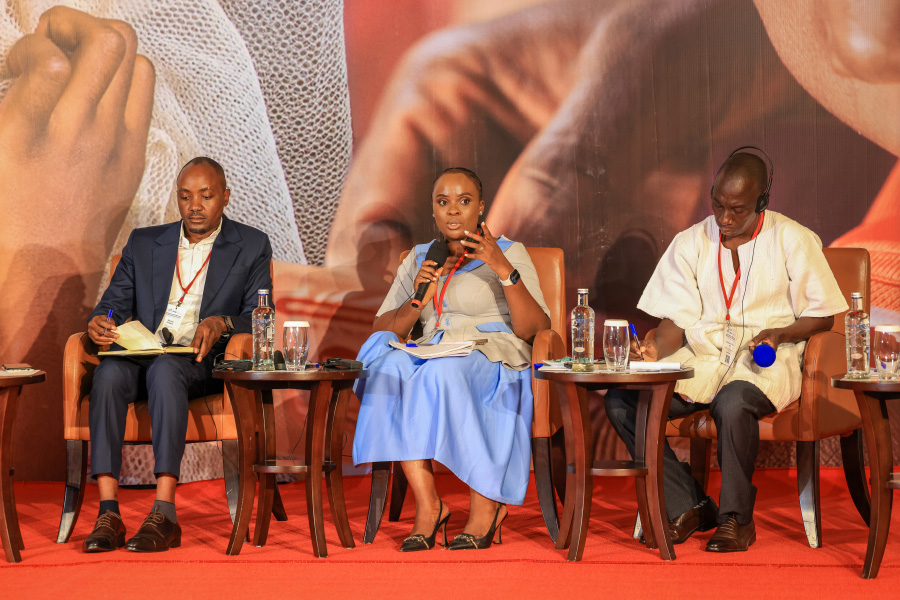

Use of AI to optimize health service delivery – EN
John Mark Esplana, IFRC
Panel discussion: Data protection, consent and ethics in data sharing
Joshua Harvey, CRS (moderator)
Hammond Nii Sarwah, AMP
Martin De Wulf, Bluesquare
Chandra Muthukrishnan, Equidhi Digital Pvt. Ltd.
Gnonsou Joel Sodjinou, CRS
Digitalization to improve planning and operational efficiency
Implementing campaign digitalization amid insecurity and displacement: adaptations from Somalia’s 2025 ITN campaign – EN
Hassan Mukhtar, NMCP
Use of the eCHIS/CHW systems to optimize limited operational resources – Malawi – EN
Austin Gumbo, NMCP
How real-time dashboards strengthened ITN campaign coverage and accountability in Pakistan – EN
Hammad Habib, CMU/MOH
Use of digital tools and social media to achieve SBC objectives
Sharing experience from Cambodia in using social media to increase ITN use – EN
Linna Khorn, CRS
Use of social media for malaria in Uganda: Lessons and recommendations – EN
Rukia Nakamatte, NMED
ITN procurement updates
Forecasting of vector control commodities: Five-year outlook – EN
Anna Trett, CHAI
ITN procurement – Funding partners – EN
Kate Kolaczinski, Global Fund
Christie Hershey, GHSD
Ruth Hattersley, Against Malaria Foundation
Understanding the resistance to damage (RD) score and its application – EN
Mathias Mondy, IVCC
ITN waste and plastic management
Reduction of plastic waste in ITNs delivery – EN
Valeria Markova, UNICEF
Waste management in a complex operating environment (COE) – Sudan – EN
Hamza Sami Eljack, NMCP
Video – ITN waste management
AMP
Panel discussion: Planning for a different context
What needs to be done differently for ITN distribution as we move into a new funding context?
Giovanni Dusabe, AMP (moderator)
Aissate Koné, NMCP Mali
Orezi Adhekoyibo, CRS Nigeria
Rock Aikpon, NMCP Benin
Medard Rukaari, NMED Uganda
Combined Slide Deck (AM Sessions) – EN
Combined Slide Deck (PM Sessions) – EN
Subnational tailoring of ITN distributions to maximize malaria control – EN
Andrew Glover, Imperial College
Country experiences on channel decision-making
Nigeria – Development of ITN continuous distribution guidelines and channel selection guidance & tools: Process, lessons & recommendations – EN
Fatima Ali, NMEP
Zambia: Tailoring and prioritization of ITN distribution channels – EN
Ketty Ndhlovu, NMEC
Optimizing ITN operations for different channels:
Ivory Coast: National ITN campaign: Lessons learned and perspectives post-logistics evaluation for optimising future campaigns – FR
Koffi Amani Serge, NMCP
Sierra Leone: Lessons learned and recommendations from the pilot and subsequent scale-up of school-based distribution – EN
Mac Abdul Falama, NMCP
Kenya: Piloting use of the community health system for ITN distribution: Process, results and recommendations for future – EN
Edith Ramaita, DOMC
Optimizing ITN channel delivery: Decision tool to support strengthening ITN routine distribution – EN
Sophia Kaufman, CHAI
Cameroon: Assessment of the routine ITN distribution system and key next steps for strengthening the channel – FR
Dominique Bomba, NMCP
Closing presentation: Key messages from AMP – EN
Marcy Erskine, IFRC
Combined Slide Deck (AM Sessions) – EN



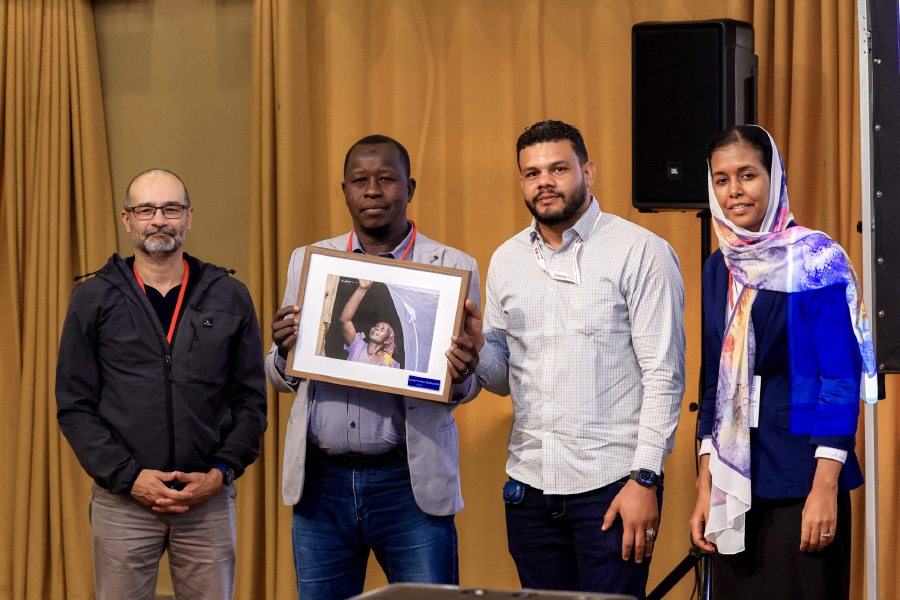



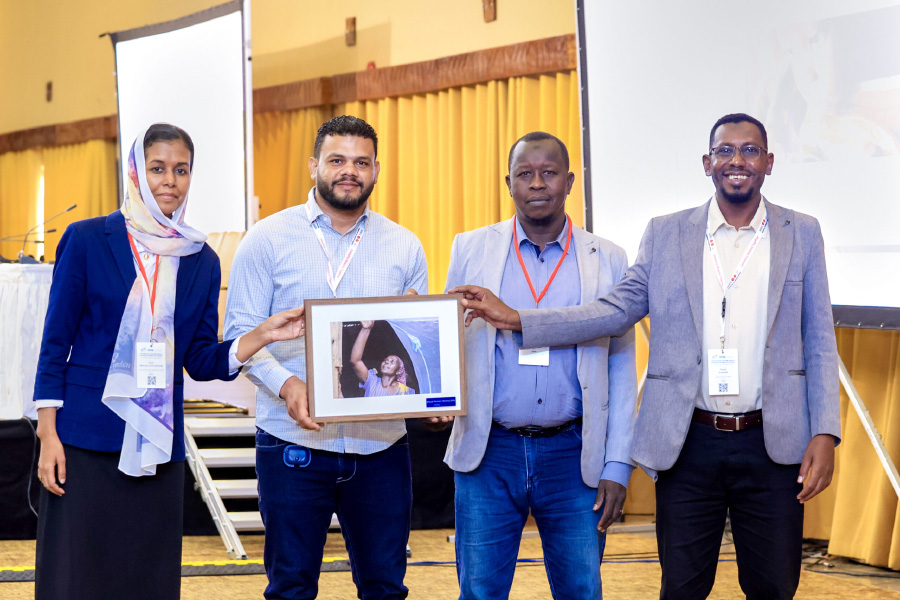
Each year at its annual partners’ meeting, the Alliance for Malaria Prevention’s (AMP) Core Group selects countries or individuals to receive awards for exceptional performance in the fight against malaria, specifically vector control with insecticide treated nets (ITNs).
WHO guidance on sub-national tailoring for ITNs and “optimizing” ITN access – EN
Dr Dorothy Achu
Global Fund: ITN programming in an evolving funding context – EN
Kate Kolaczinski
AMF: Using data in a resource constrained world – EN
Julian Austin
Achieving impact with ITNs: Rethinking the status quo – EN
Andrew Glover, Hannah Koenker, Kate Kolaczinski, Thomas Churcher
Sierra Leone: Using data to support vector control, including interventions, ITN
types and ITN distribution channels – EN
Ministry of Health
The effect of ITN insecticides on malaria vectors: Results of an evaluation in six
departments of Congo – FR
Dr Nianga Bikouta Grâce
Nigeria’s experience with prioritization of campaign ITNs in urban areas:
Process, outcomes and recommendations for future – EN
Fatima Ali
A decision-making flowchart for ITN prioritization for urban areas – EN
Eleanore Sternberg
Measuring outcomes: Indicators, targets, use given access and alternative
methods for data collection – EN
Molly Robertson
Somalia: Use of clustered lot quality assurance sampling for measuring
campaign outcomes – EN
Hassan Mukhtar
The Post-Market Data Collection Toolkit: Turning insights into action – EN
Julie-Anne Tangena
Combined Slide Deck (AM Sessions) – EN
Combined Slide Deck (PM Sessions) – EN
Moderated Chat – EN
Assessing effectiveness and impact: ITN distribution channel selection and
optimizing channels in use – EN
Ketty Ndhlovu, Mary Kante
Zimbabwe: Assessing channel options for ITN distribution using quantitative
and qualitative data – EN
Wilson Chauke
Factors influencing routine distribution and lessons learnt – EN
Gulshod Allabergenova
Findings from ANC and EPI ITN distribution performance in mainland Tanzania
over five years 2018-2022 – EN
Peter Gitanya
CAR: Experience with piloting school-based ITN distribution plans for scale up – FR
Marcel Lama, Mathieu Aawi
Community distribution of ITNs: The case of the north of Mali, 2024 – FR
Mady Cissoko
Optimising ITN campaigns: A case of ITN/SMC campaign integration in Ghana – EN
Christian Atta-Obeng
Madagascar : apprentissage en ligne pour soutenir la qualité de la mise en oeuvre de la campagne de distribution universelle des moustiquaires imprégnées d’insecticide 2024 – FR
Herizo Ramandimbiarijaona
DRC: Revision of the digitalised enumeration form to improve control of targets
for mass household net distribution campaigns – FR
Joris L Likwela
Key considerations for ITN planning for 2025/26 – EN
Marcy Erskine
Closing Remarks – EN
Mark Grabowsky
Combined Slide Deck (AM Sessions) – EN
Combined Slide Deck (PM Sessions) – EN
Morning Sessions
Session 1
Use of geospatial tools for improving planning and implementation of campaigns – Anglophone
Facilitator: WHO GIS Centre
Session 2
Use of geospatial tools for improving planning and implementation of campaigns – Francophone
Facilitator: WHO GIS Centre
Session 3 – Waste, repurposing and EOL nets
| Component | Details |
|---|---|
| Intro to sessions | Reviewing strategies on how ITNs and their packages are better managed (from their distribution to their end of life), to effectively reduce waste and increase impact of investments, by learning from country experiences. |
| Session 1: Plastic waste management across channels | Duration: One hour and 15 mins Facilitator: Paul Ogozi Overview: Exploring the different strategies for managing plastic waste from ITN distributions. Learning from Sierra Leone and Liberia on sustainable and environmentally friendly options for plastic waste management.Additional Presentation:
|
| Session 2: ITN care, repair and repurposing | Duration: 55 minutes Facilitator: Miko Thomas Overview: Working session on ITN care, repair and repurposing by using experience in Zambia and Madagascar. Brainstorming on what type of support is needed to improve ITN care, repair and repurposing strategies and activities.Additional Presentation:
|
| Session 3: End of life nets (EOLIN) | Duration: 45 minutes Facilitator: Jessica Rockwood Overview: Learning from Nigeria pilot to create income generating activities at local level and reduce waste from ITNs. Brainstorming on how to make EOLIN a continuous process.Additional Presentations: |
Afternoon Sessions
Session 1
Continuous distribution of ITNs: Moving the agenda forward – Interpretation
Facilitator: Continuous Distribution Working Group (CDWG)
Session 2
Implementation of GS1: Barcode scanning of bales and nets – Interpretation
Facilitator: AMP
- Implementing scanning of standardized ITN labelling
- Solution digitalisée pour l’optimisation de la gestion de la chaîne logistique des moustiquaires imprégnées d’insecticides lors de la distribution de masse des moustiquaires aux ménages
- 2024 Mass ITN Distribution Bales Scanning: Liberia’s Experience
Video – shared screen & speaker view
Video – shared screen & speaker view

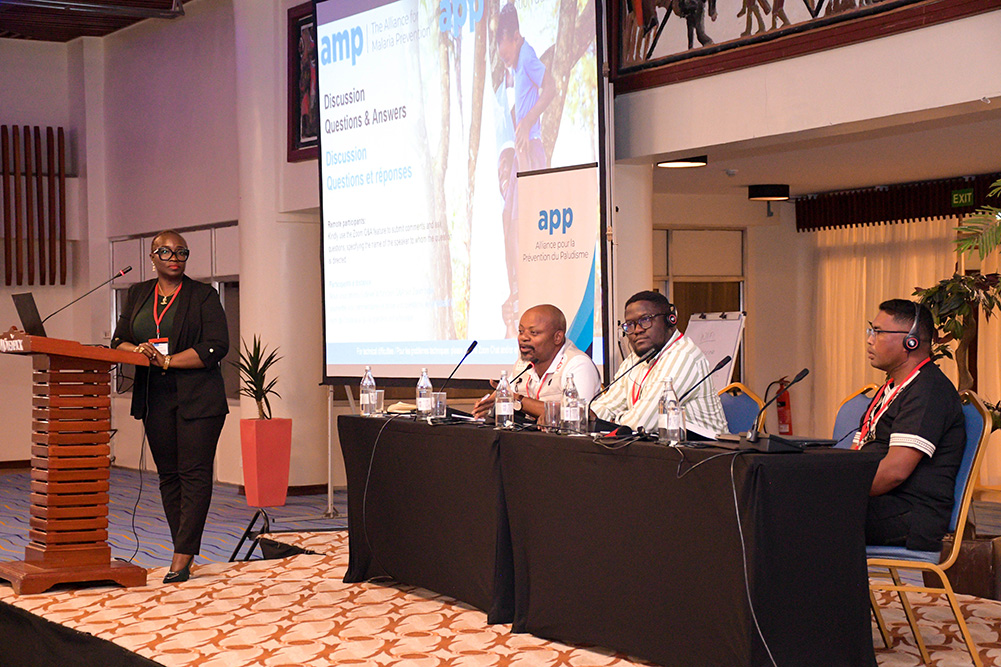
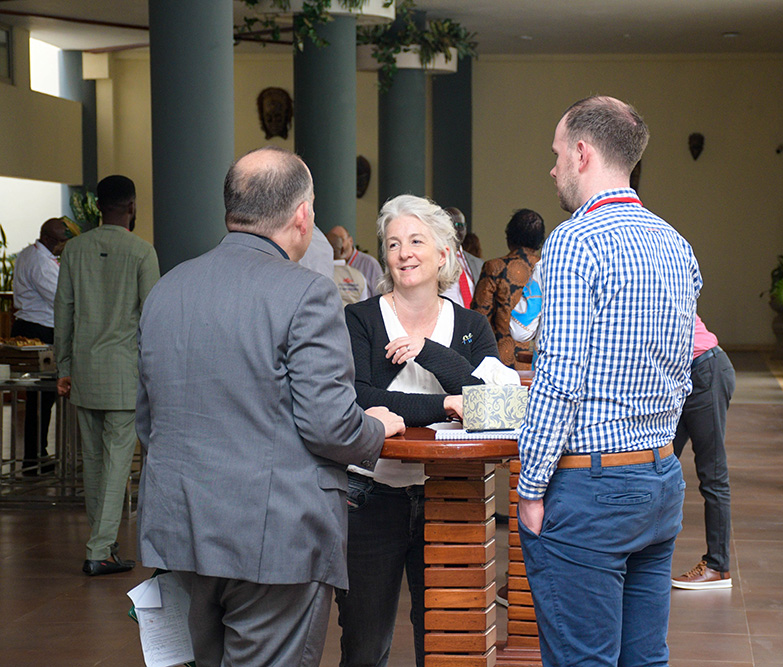




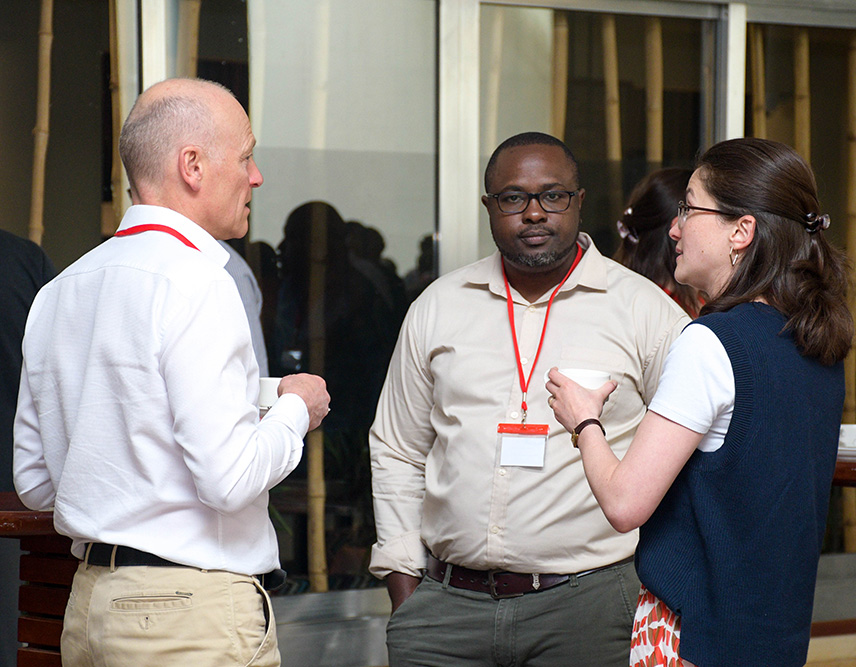
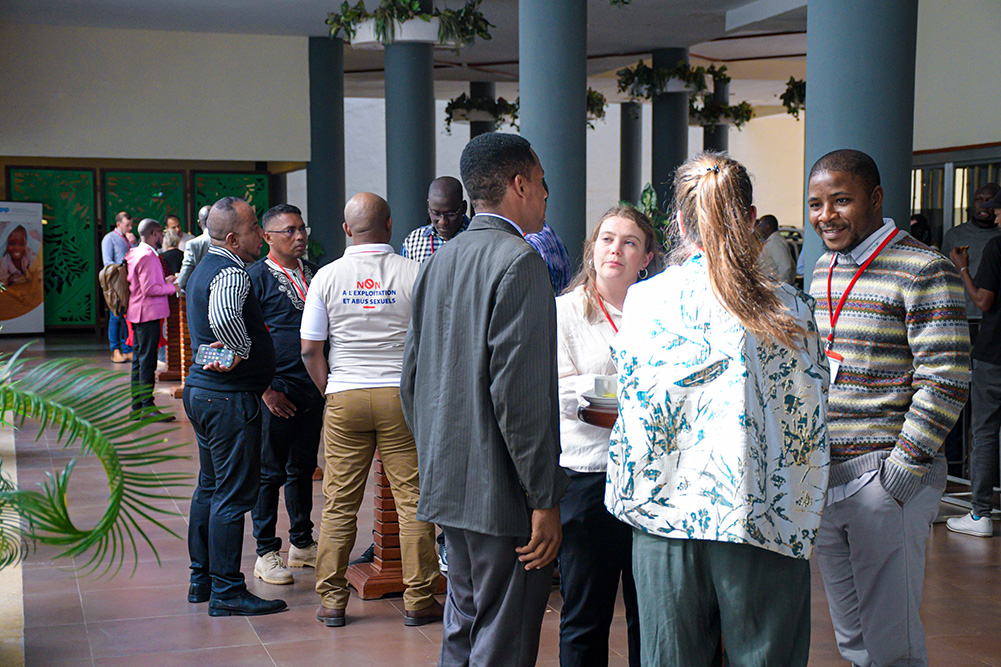





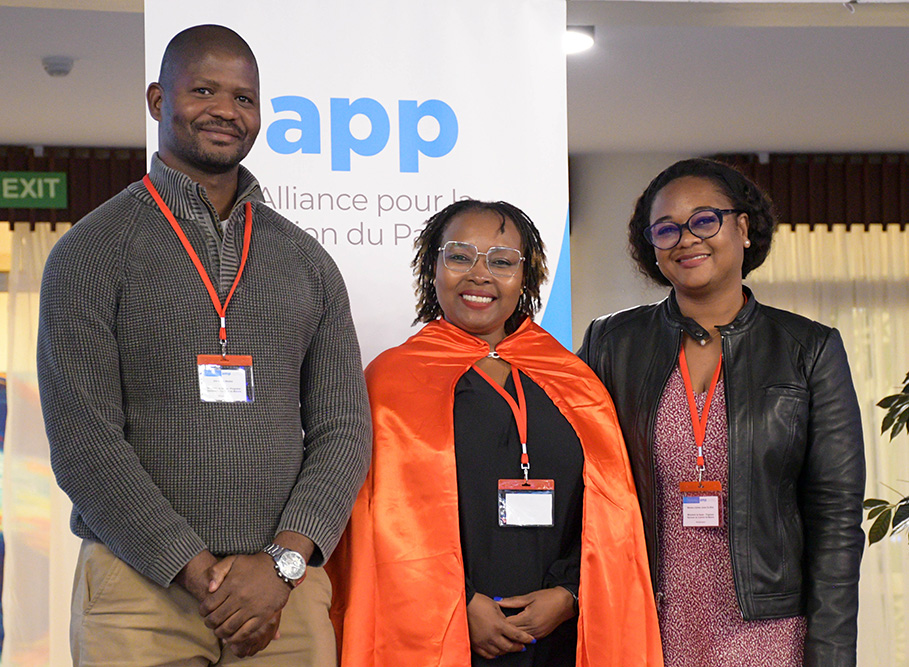
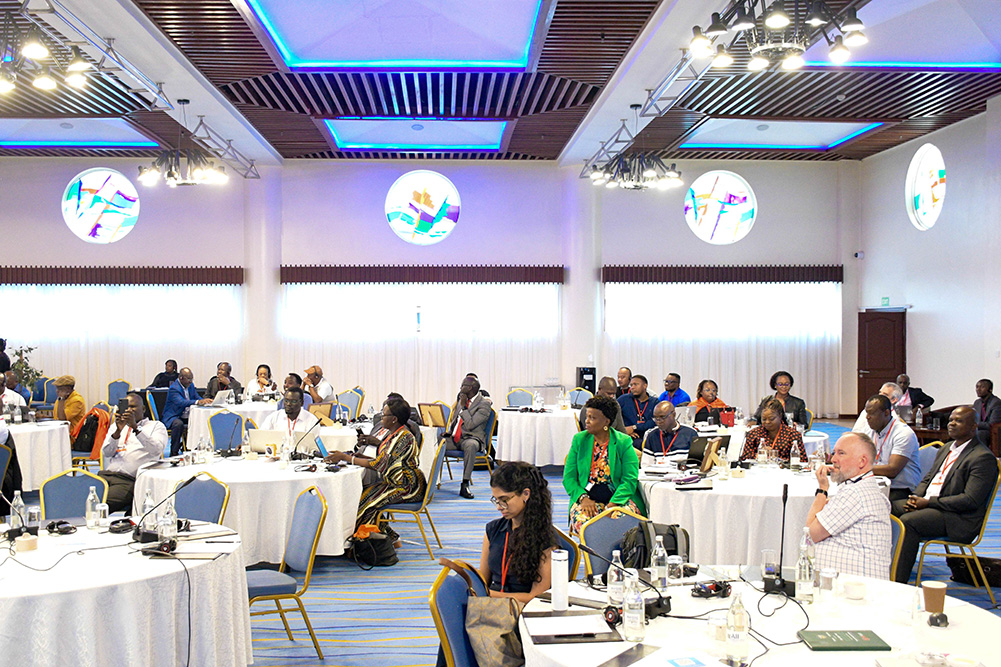
















AMP Partners Meeting Agenda (February 19th – 20th, 2024) – ENG | FR
Participants List – ENG
Summary Outcomes – ENG
Key Takeaways from AMP Partnership Meeting 2023 – ENG
Global scaleup of ITNs in the 2000s and applicable lessons for the current and future context – ENG
Cordelia S. Kenney
Net Mapping Project and the Global Malaria Commodities Forecasting Project – ENG
Cédric Mingat (ResultsinHealth) & Munashe Madinga(CHAI)
Subnational tailoring of malaria interventions and strategies – ENG
Dr. Beatriz Galatas, Strategic Information and Response Unit, Global Malaria Program
Global Fund Grant Cycle 7 lessons learned and efforts to ensure ITN optimization – ENG
Kate Kolaczinski
Stratification and sub-national tailoring for ITNs: Results of applyingthe methods in Ghana – ENG
Otubea Owusu Akrofi
DIFFICULT DECISION-MAKING FOR PRIORITIZATION AND OPTIMIZATION IN SUPPORT OF MAXIMIZING RESOURCES FOR ITNS – ENG
Priorité à la lutte antivectorielle face à des ressources limitées : le cas du Sénégal – FR
PNLP Sénégal
A mixed method framework for deprioritizationof ITNs, codesigned with stakeholders and applied to Ilorin, Kwara – ENG
Ifeoma Ozodiegwu, Assistant Professor, Department of Health Informatics and Data Science
Evaluating the operational feasibility and impact of ITN deprioritization in urban areas in Kwara State – ENG
Eleanore Sternberg, PhD
Micro-stratification urbaine en Guinée – Progrès, défis et prochaines étapes – FR
Dr Abdourahamane Diallo (NMCP GUINEA)
Implementation of multiple strategies to optimize delivery of ITNs and SMC: KwaraState, Nigeria – ENG
Ajuster l’allocation des MID des personnes aux couchettes-Prise de décision et résultats – FR
Dr. Atcha Oubou Tinah, Coordonnateur PNLP
Transitioning to Community-Based Distribution in High-Burden Districts For a Lasting Net Coverage: Successes, Challenges and Recommendations From Burundi – ENG
Dr. Pierre SINARINZI
South Sudan: Addressing challenges for ITN distribution through adapted strategies – ENG
J. Puok
Considerations for adapted ITN operational strategies – ENG
Marcy Erskine
AMP 2024 Annual Partners Meeting: Climate impacts and vector control with ITNs – ENG
A. Tauzi
Impact du changement climatique dans le cadre de la lutte contre le paludisme à Madagascar – FR
H. Ramiandrisoa
Guarding Resilience: ITN Provision in Climate-Stricken Communities – ENG
M. Talah
Vector Control with ITNs: The environmental footprint – ENG
Lilia Gerberg (PMI) and Sidharth Rupani (Global Fund)
Waste Management & End of Life Successes and Challenges – Ghana and Sierra Leone SBD – ENG
Prince Owusu, Regional ITN Technical Advisor
Solid waste management in the massive ITN distribution campaign in Mozambique , 2022 2023 – ENG
Inês Juleca António
Developing an Evidence based Approach to End of Life ITNs in Nigeria Project EOLIN – A Public Private Partnership – ENG
Mary Esema & Fatima Ali, Nigeria NMEP
The 2023 AMP Annual Partners Meeting of the Alliance for Malaria Prevention took place on May 8th – 9, 2023. The meeting has been followed by a Campaign Digitalization Meeting on May 10th – 11th, 2023.
| File |
Links |
| Morning Session (Day 1) Afternoon Session (Day 1) |
English English |
| Morning Session (Day 2) Afternoon Session (Day 2) |
English English |
| Morning Session (Day 3) Afternoon Breakout Session (Day 3) Afternoon Plenary Session (Day 3) |
English English English |
| Morning Session (Day 4) Afternoon Session (Day 4) |
English English |
Malaria and vector control situation with focus on ITNs – World Malaria Report 2022 – ENG
Dr. Emmanuel Chanda (WHO/AFRO)
New vector control products: Market outlook and pipeline – ENG
Ioana Ursu (IVCC)
Summary of results from New Nets Project pilot countries – ENG
Andrew Saibu (IVCC)
Uganda: Successes and challenges with two multi-product mass campaigns and future planning based on evaluation outcomes – ENG
Dr Jimmy Opigo (NMCP)
Mozambique: Decision-making and trade-offs for deployment of new ITN types aligned to resistance data – ENG
Dr Baltazar Candrinho (NMCP)
Funding landscape: Implications for deployment of ITN types aligned to resistance data – ENG
Patrick Okello (Global Fund) and Lilia Gerberg (PMI)
Using routine epidemiological, entomological, and/or programmatic data sources to monitor the impact of distribution of new ITN types – ENG
Molly Robertson (Global Fund)
Lunch session: Waste management and end of life ITNs – ENG
Innovation and Evaluation Working Group – Jessica Rockwood (IPHA) and Joe Lewinski (CRS)
ITN quantification: Tailoring approaches based on country data – ENG
Dr Hannah Koenker (Tropical Health)
Tanzania: Sub-national tailoring and use of multiple channels for sustaining ITN access among all population groups – ENG
Dr Peter Gitanya (NMCP)
Madagascar: Assessing continuous distribution for sustaining ITN access in malaria epidemic areas – Trends in malaria indicators and costing – FR
Joëlson Andriamparany Rakotoson (NMCP) and Nirina Ramanamidona (PSI)
Using a spatial decision support system for adaptive malaria control on Bioko Island, Equatorial Guinea – ENG
David Galick (MCD Global Health)
Quality assurance mechanism for ITNs: an experience from Pakistan – ENG
Dr Muhammad Mukhtar (DoMC)
Sharing Liberia’s experience with durability monitoring of IG2 – ENG
D. Levi Hinneh (NMCP)
Key findings from listening exercises with partners on post-market data collection and agreed priorities for 2023/24 – ENG
Angus Spiers (Raising the Floor on ITNs)
Transitioning from input to output-based funding – Key messages from ITN campaign activity-based contracting pilots in the Democratic Republic of Congo, South Sudan and Pakistan – ENG
Aneta Wierzynska (Global Fund)
Outcomes and lessons learned: Activity-based contracts for ITN campaigns in Kwilu and Mongala Provinces, DRC – ENG
Joris Likwela (SANRU)
Quantification: A review of population denominators across health campaign interventions in selected provinces of DRC – ENG
Emmanuel Rukengwa (GRID3)
Lunch session: Reaching IDPs, refugees and last-mile populations – ENG
Improving end-process monitoring, data analysis and use of data for decision-making post ITN campaign distribution in Nigeria – ENG
Mary Esema, Fatima Ali (NMEP) and Ifeanyi Udoye (SFH)
Senegal: Digitalization profile for malaria interventions – ENG
Latsouk Diouf et Rassoul Seck (NMCP)
Programmatic monitoring of LLINs for action in the Americas: A methodology based on Lot Quality Assurance Sampling (LQAS) – ENG
Lucia Fernandez Montoya (CHAI)
Guinea: Integrating campaign service delivery (“pool” approach) to hard-to-reach populations – Key outcomes and future recommendations – ENG
Chrestien Yameni (CRS)
Looking forward: Key issues and AMP priorities for 2023 – 2024 – ENG
Marcy Erskine (IFRC/AMP)
The 2022 Virtual AMP Annual Partners Meeting of the Alliance for Malaria Prevention took place on March 28th – 30th, 2022.
| File | Link(s) |
| Session (Day 1) | English | French |
| Session (Day 2) | English | French |
| Session (Day 3) | English | French |
Upstream issues: Supply chain situation and outlook for 2022 – ENG
Clarisse Morris (Global Fund), Julian Austin (AMF), Chris Warren (US-PMI)
Madagascar: Model for local resource mobilization – FR
Saraha Rabeherisoa (NMCP)
Mozambique: Innovative waste management efforts – ENG
Luis Ismael (NMCP)
Liberia: Addressing COVID-19 related rumors during ITN mass campaign – challenges and recommendations – ENG
D. Levi Hinneh (NMCP)
Trends and adaptations: A multi-country review of adaptations and potential cost drivers for COVID-19 adapted campaigns – ENG
Jessica Rockwood (IPHA)
Nigeria: Qualitative process evaluation and quantitative analysis of end process results for five COVID-19 adapted campaigns – ENG
Philip Okoko and Fatima Ali (NMEP)
Looking forward: Considerations for the AMP Partnership in 2022 and 2023 – ENG
Dr. Marcy Erskine (IFRC/AMP)
New Nets Project interim results, Evidence from pilot evaluation – ENG
Dr. Baltazar Candrinho (Director, NMCP Mozambique) and Dr. Adama Gansané (Director, CNRFP Burkina Faso)
Effectiveness of three types of dual active ingredient treated nets compared to pyrethroid long lasting insecticidal nets against malaria in an area with pyrethroid-resistant mosquitoes in Tanzania: a four-arm, cluster-randomised trial – ENG
Jacklin Mosha (National Institute for Medical Research) and Nancy Matowo (LSTM)
Considerations for deployment of different ITN types – ENG
Lilia Gerberg (US-PMI), Htin Kyaw Thu (Global Fund) and Julian Austin (AMF)
Crisis management post-ITN distribution in Ivory Coast – FR
Dr. Mea Antoine Tanoh (NMCP Ivory Coast)
Distributing different types of nets, from quantification to end user: The experience of Ghana – ENG
Christian Atta-Obeng (NMCP Ghana)
Raising the floor on nets: Updates from a convening on ITN quality and performance – ENG
Eddie Thomsen (LSTM)
ITN campaign and continuous distribution trackers: Purpose, progress and data needs – ENG
Dr Marcy Erskine (IFRC/AMP), Mary Kante (Eau Claire Consulting)
Modeling potential drivers of ITN coverage gaps in sub-Saharan Africa – ENG
Amelia Bertozzi-Villa (IDM)
ITN Durability: Implications for ITN access – ENG
Dr. Hannah Koenker (Tropical Health)
Vaccination campaigns: Digital health information priorities – ENG
Carine Gachen (GAVI)
Geo-enabled Digital Microplanning: Improving population estimates and ensuring access for improved campaign outcomes – ENG
Chris Jung, Ravi Shankar, Daniel Obare (WHO)
Distribution of ITNs in a context of population displacement: Ituri Province, DRC – FR
Eric Mukomena (PNLP)
Improving prevention by understanding population mobility and displacement using mobile operator data – ENG
Linus Bengtsson MD, PhD (Flowminder)
PBO Deep Dive: Summary of findings from 2021 report – ENG
Eliza Walwyn-Jones (CHAI)
The 2021 virtual partners’ meeting of the Alliance for Malaria Prevention “COVID-19 lessons learned for ITN distribution / Multiproduct campaigns / Addressing equity in vector control” was held virtually March 24th – 26th, 2021.
| File | Link(s) |
| Chat Day 1 | Session Chat Day 1 |
| Chat Day 2 | Session Chat Day 2 |
| Chat Day 3 | Session Chat Day 3 |
| Poll Report Days 1-3 | Poll Report |
| Day 1 – Wednesday 24th | English French Portuguese |
| Day 2 – Thursday 25th | English French Portuguese |
| Day 3 – Friday 26th | English French Portuguese |
- Cameroon ITN distribution in the Northwest Region during a humanitarian crisis – challenges and lessons learned
- Djibouti Efforts to ensure access to vector control for migrant populations
- DRC Lessons learned from digitization and improving equity during mass ITN campaigns
- Mozambique Cyclone Idai Challenges and successes with prioritizing malaria within humanitarian response
- Namibia Targeting LLIN distribution for high-risk agricultural workers
- Zanzibar Challenges with community-based continuous distribution and implications for equitable ITN access and use
- Benin Digitization and the use of MAXAR for achieving universal coverage in a multi-product campaign – implications for
- Burkina Faso Data for decision-making for deployment of new ITN types
- Key considerations and recommendations for countries implementing multi-product mass campaigns
- Looking forward Expanding country access to new ITN types beyond the New Nets Project
- Malawi Implementation of multiple types of ITNs
- Mali Planning and distribution of IG2 ITNs in a pilot phase Lessons learned and recommendations
- U-Report A two-way communication platform for youth engagement, programme delivery and advocacy
- Uganda Lessons Learned ITN campaign for continuous improvement of COVID-19 adaptations
- Technical assistance by distance What worked and what do we need to improve
- The Gambia Adapting to COVID-19 for sustained routine distribution of ITNs
- Togo Challenges with adapting to a single-phase ITN campaign to align to the COVID-19 context
- Key messages for 2021 ITN campaigns in the context of COVID-19
- Ghana Adapting school-based distribution to the COVID-19 context
The 2020 annual partners’ meeting of the Alliance for Malaria Prevention focused on “Using Data to Innovate and Align with Country Priorities” was held at the IFRC Headquarters in Geneva in January 2020.